
Ask most visitors where to go in New Orleans and they'll say the French Quarter, the Garden District, maybe Magazine Street. Ask a local where they actually live their life and there's a good chance they'll say Mid-City. It's not the flashiest neighborhood. It doesn't have the wrought-iron balconies or the horse-drawn carriages. What it has is everything else: the best po-boys in the city, a bayou you can kayak on a Tuesday afternoon, oak-lined streets that feel like they belong in a dream, and a community that actually knows each other by name.
Mid-City sits, as the name suggests, right in the middle of New Orleans - wedged between the French Quarter, Uptown, Lakeview, and Gentilly. It's the geographic center of the city, and in a lot of ways, the spiritual one too. This is where you go when you want the real New Orleans without the performance.
The Geography: In the Middle of Everything
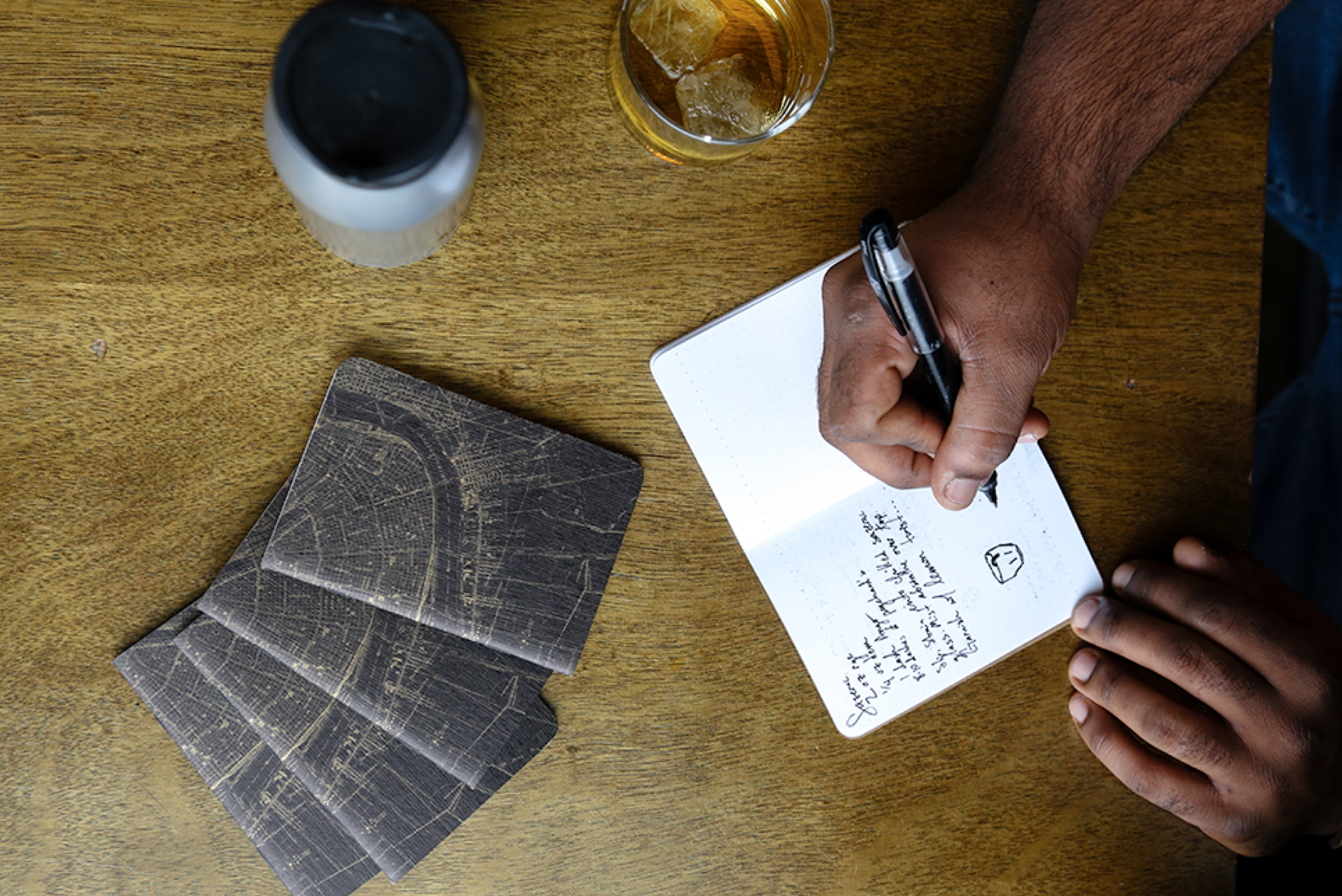
Mid-City runs roughly from Canal Street to City Park, bounded by Broad Street on the lake side and roughly by Interstate 10 on the other. It's bisected by some of the city's most important corridors - Carrollton Avenue, Canal Street, Tulane Avenue, Esplanade Avenue - and sits along the path of the Canal Streetcar, which makes it one of the most accessible neighborhoods in town. If you're the kind of person who likes being able to get anywhere without a long drive, Mid-City is for you. We love this neighborhood so much we made Mid-City In The Middle of Awesome - because that's exactly what it is.
Bayou St. John: The Backyard Everyone Shares
Bayou St. John is one of those things that makes people fall in love with New Orleans. It's a slow-moving waterway that runs from City Park down toward the French Quarter, lined with live oaks and historic homes. People kayak on it, fish in it, have picnics beside it, and gather along its banks for crawfish boils and second lines. On any given weekend, you'll find families grilling, dogs swimming, and someone playing guitar under a tree.
The bayou is also one of the oldest waterways in the region - Indigenous peoples used it as a trade route long before the French arrived. Today it serves a more casual but no less important purpose: it's where Mid-City comes together. It's the neighborhood's living room.
The Lafitte Greenway: A New Kind of New Orleans Street
The Lafitte Greenway is a 2.6-mile bike and pedestrian path that runs from Mid-City to the edge of the French Quarter. Built on an old rail corridor, it connects neighborhoods that used to feel miles apart and has become one of the most popular spots in the city for jogging, cycling, dog-walking, and general hanging out. For locals who live along it, the Greenway has changed the way they move through the city - and the way they think about it. It captures the spirit of how New Orleans moves: slowly, socially, and always with a reason to stop and talk. Kind of like how we think about the city with our River Lake Uptown Downtown design - every direction you turn, there's something worth seeing.
Where to Eat: The Real Reason People Come to Mid-City
Mid-City punches above its weight when it comes to food. Parkway Bakery & Tavern is a strong contender for the best po-boy in the city - the fried shrimp is legendary, and the roast beef drips in all the right ways. Brocato's has been serving Italian ice cream and pastries since 1905 - their cannoli and lemon ice are non-negotiable on a hot day. Mandina's is old-school New Orleans Creole-Italian in the best possible sense. And newer spots like Piece of Meat and 1000 Figs have expanded the neighborhood's food identity without losing its soul.
This isn't a food desert or a tourist trap. It's where New Orleans eats when it's eating for itself.
City Park: 1,300 Acres of Green in the Middle of the City
City Park is one of the largest urban parks in the country - bigger than Central Park - and it sits right at the top of Mid-City. You could spend a full day here and not see all of it: the Sculpture Garden, the Botanical Garden, Storyland, the Couturie Forest, Carousel Gardens, and of course, the ancient live oaks that are some of the oldest living things in the region. Big Lake is a favorite for paddle-boating, and the park's network of trails and lagoons makes it one of the most peaceful places in the city.
City Park also hosts NOMA - the New Orleans Museum of Art - and the Besthoff Sculpture Garden, both of which are worth a visit any time of year. It's the kind of park that makes you wonder why anyone would pay for a gym membership.
The Neighborhood That Came Back
Mid-City was one of the hardest-hit neighborhoods during Hurricane Katrina. The flooding was catastrophic - some areas saw eight feet of water or more. But the comeback has been remarkable. Longtime residents rebuilt, new families moved in, and the neighborhood found a way to grow without losing its identity. The mom-and-pop restaurants survived. The corner stores came back. The neighbors still know each other's names.
That resilience is part of what makes Mid-City special. It's not a neighborhood that was handed anything. It's one that earned its place in the city, block by block, po-boy by po-boy, bayou sunset by bayou sunset.
If you want to know what New Orleans actually feels like when the tourists go home, Mid-City is where you start.




Leave a comment
All comments are moderated before being published.
This site is protected by hCaptcha and the hCaptcha Privacy Policy and Terms of Service apply.